With the right care, your engraved cutting board can last for decades. Discover best practices for cleaning, oiling, repairing, and storing to keep your board safe and beautiful.
Shop All Cutting BoardsCutting Board Care
Cutting Board Care & Maintenance
Your personalized cutting board is both a tool and a keepsake. Proper care preserves its beauty, ensures food safety, and minimizes wear over time. This guide covers cleaning, sanitizing, oiling, repairs, and smart storage so your board stays one of your most beloved kitchen pieces.
Core Care Principles
- Never soak or dishwash: Excess moisture, heat, and harsh detergents warp wood and damage engraving.
- Hand wash only: Use mild dish soap, warm water, and a soft cloth or sponge.
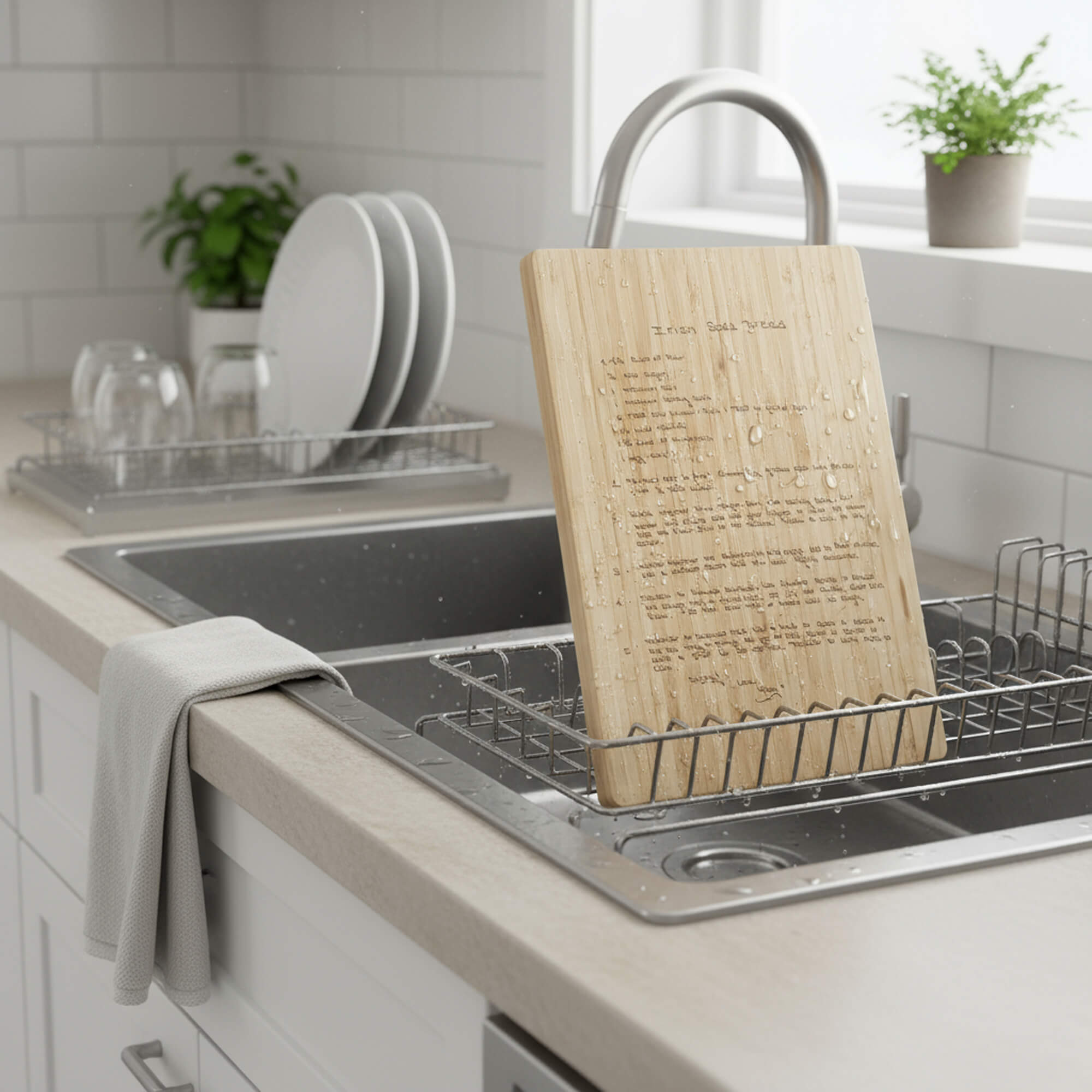
- Dry thoroughly: Wipe dry immediately and allow to air dry fully before oiling or storing.
- Oil regularly: Use a food-safe mineral oil or wax blend to nourish and protect the wood fibers.
- Store wisely: Stand the board upright or ventilated to prevent moisture buildup or warping.

Cleaning & Sanitizing
Every use deserves thoughtful cleaning. Avoid harsh treatments—wood thrives under gentle, consistent care.
Step-by-Step Clean Routine
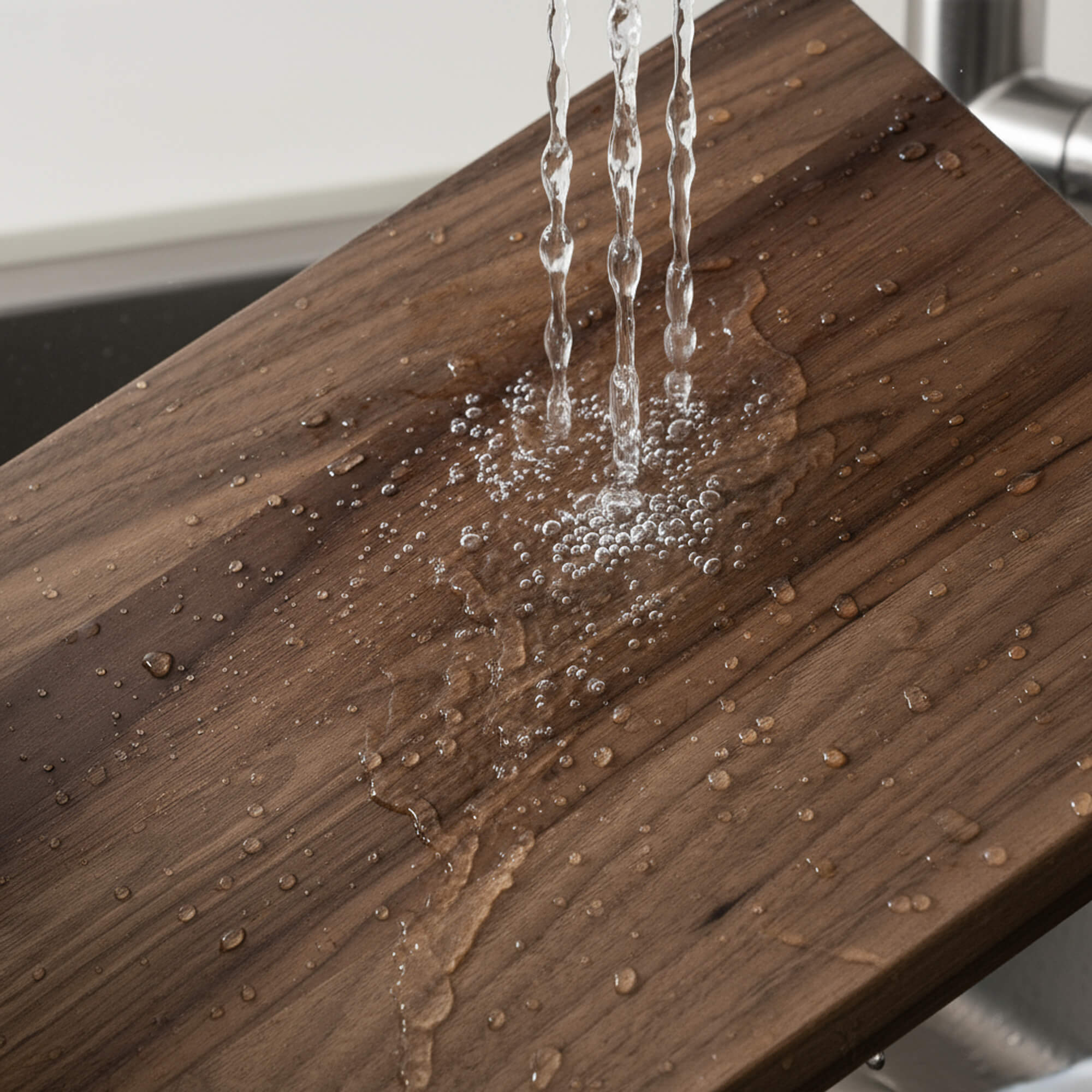
- Rinse with warm water and use mild dish soap. Don’t let it soak.
- Use a soft sponge or cloth—avoid steel scrubbers or highly abrasive pads.
- For stains or odors, sprinkle coarse salt or baking soda, rub with half a lemon, then rinse.
- Wipe dry immediately, then stand upright to air dry fully.
Sanitizing Tips
For deeper cleaning: a 1:3 solution of white vinegar to water can help disinfect. Avoid bleach or strong chemicals. Always rinse thoroughly and dry completely.
Oiling, Condition, and Repair
Oiling restores and protects your board’s wood fibers. Over time, knife marks and dryness can be smoothed and refreshed.
Choosing the Right Oil
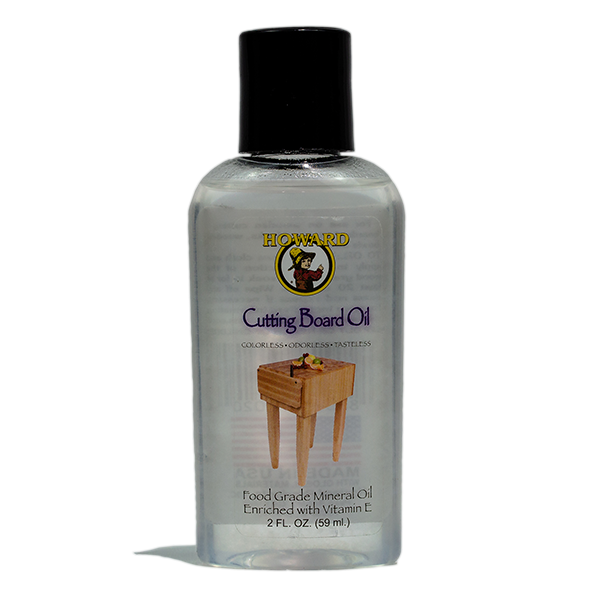
- Food-grade mineral oil is the most recommended option—odorless, flavorless, non-rancid.
- A mix of mineral oil + beeswax (board butter) gives extra sealing and shine.
- Avoid cooking oils (olive, vegetable) as they may turn rancid.
How to Oil (Season) Your Board
- Ensure the board is completely dry.
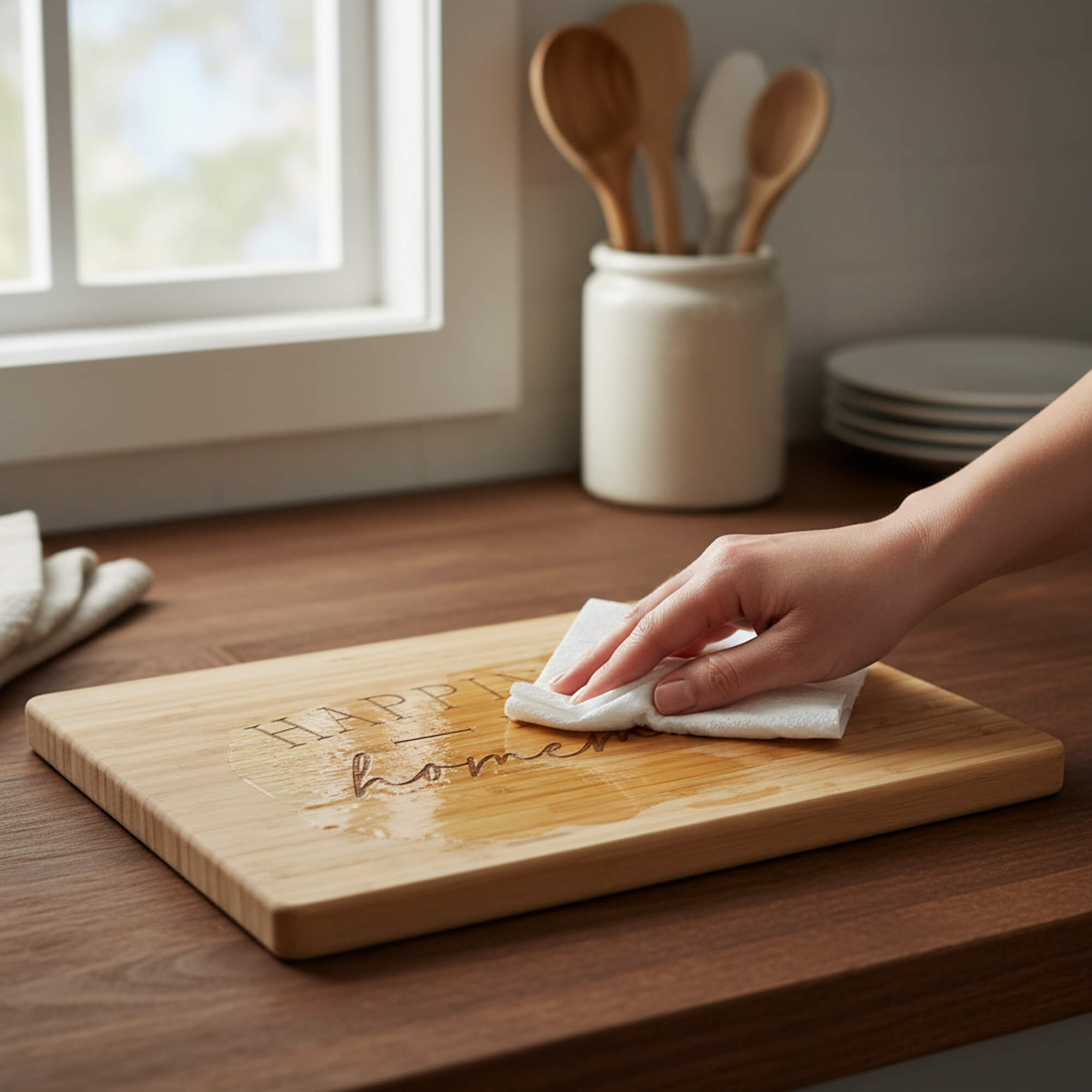
- Apply a generous layer of oil on all faces and edges; rub it in with a soft cloth.
- Let soak 20–60 minutes (or overnight for heavy use), then wipe off excess.
- Buff to smooth finish.
Repairing Surface Wear
Light knife marks can be smoothed by sanding with fine-grit paper (220+) and re-oiling. Avoid deep gouges—those may harbor bacteria or need replacement.
Storage & Display Tips
Displaying your board properly ensures airflow, avoids warping, and turns it into a functional decor piece.
- Store upright (on edge) in a rack or stand to allow both sides to breathe.
- Avoid resting flat in a drawer—trapped moisture underneath is a warping risk.
- Keep away from direct heat sources (stove, radiator) or sunlight to reduce drying stress.
- If using a stand or easel, periodically rotate which side faces outward to even finishing exposure.
Frequently Asked Questions
How often should I oil my board?
Monthly for regular use; more often if board appears dry or dull. You’ll know—it stops beading water.
Is sanding safe for engraved boards?
Yes, but only light sanding around deep marks. Avoid sanding through engraving. Always re-oil after.
Can I disinfect with bleach?
We don’t recommend bleach—use diluted vinegar or lemon+salt. Bleach can degrade finish and wood.
When should I replace my board?
If there are deep cracks, splits, or unreachable grooves that harbor bacteria, it’s time to retire it.
Can I use it for raw meat?
Yes, but clean thoroughly afterward and consider using a separate board to reduce cross-contamination risk.